Latest News
our sector goals
our history
The Cook Islands has long recognised the potential of its deep-sea resources. Our journey into seabed minerals began with early scientific research in the 1960s and 70s.
Learn more about our history here.
Agency responsible for the regulation of seabed minerals activities undertaken in areas under the jurisdiction of the Cook Islands.
Cook Islands scientists have completed a major review of more than 11,000 deep-sea observations, working with research partners in Hawai‘i to improve how seabed habitats are classified and analysed for future environmental management.
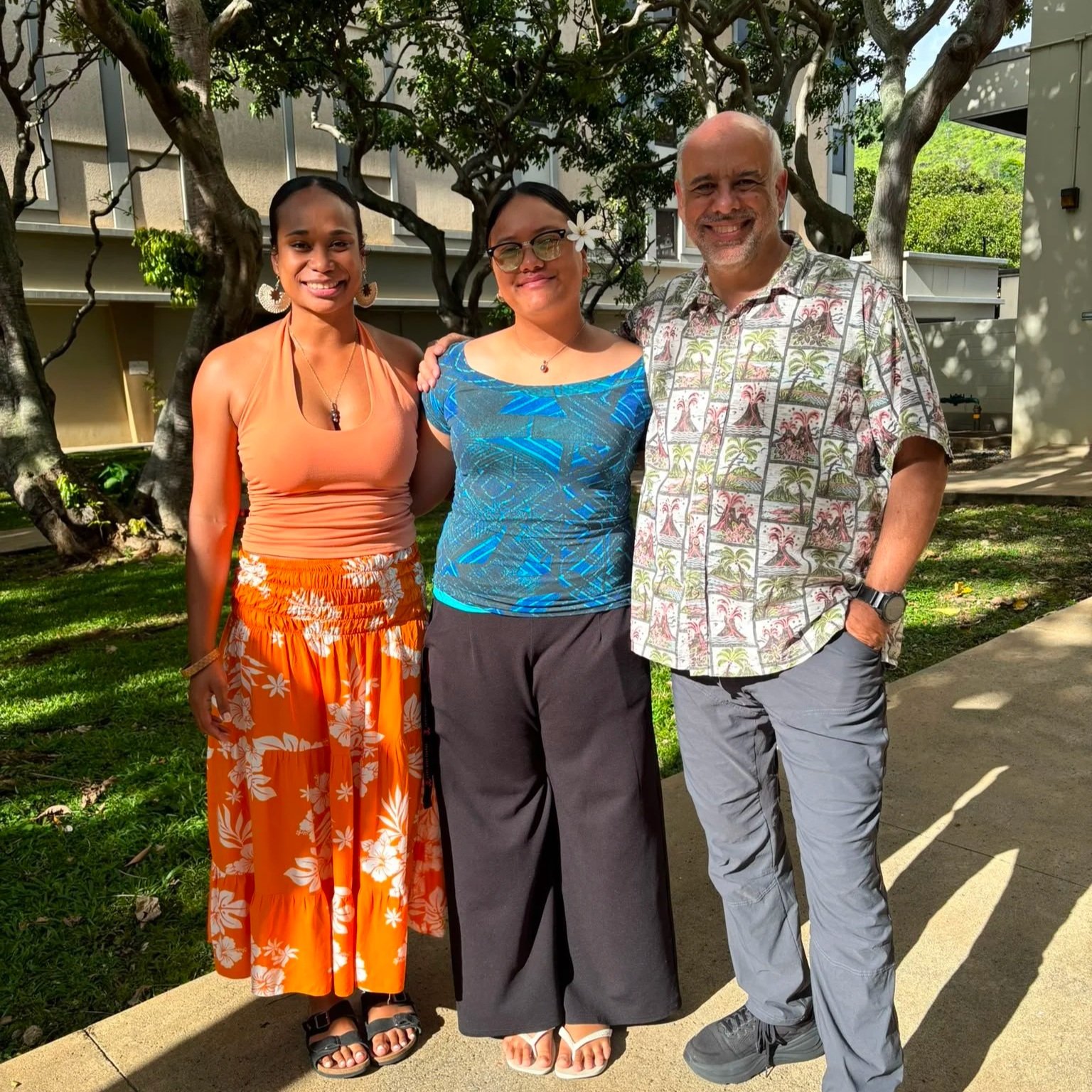
The work was advanced during meetings at the Deep-sea Animal Research Centre at the University of Hawai‘i at Mānoa in September 2026, where Seabed Minerals Authority (SBMA) Knowledge Management staff Chloe-Ane Wragg and Dr John Parianos presented a revised Cook Islands approach to classifying deep-sea substrates and geological features.
More than 52,000 square kilometres of seafloor mapping, almost 500 scientific samples and extensive deep-sea imagery collected during the 2026 Cook Islands ROV Exploration are now supporting continuing research involving Cook Islands scientists and international partners.
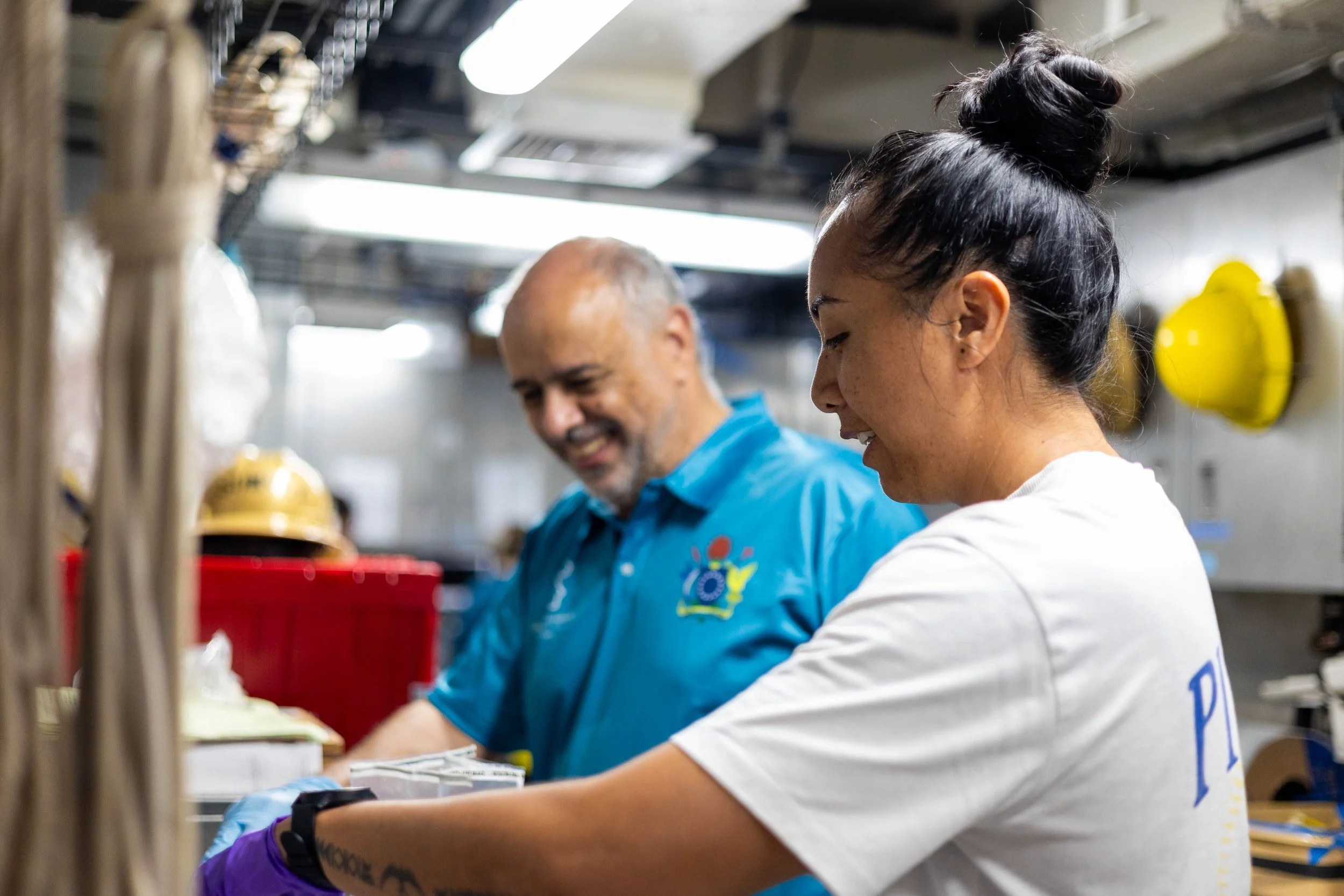
EX2605, the 26-day expedition aboard NOAA Ship Okeanos Explorer from 19 July to 13 August 2026, was a partnership between the Seabed Minerals Authority (SBMA), NOAA Ocean Exploration and scientific partners. Cook Islands scientists contributed directly to ROV operations, mapping, sample collection and processing, and science planning.
For SBMA, the value of the expedition did not end when the vessel left Cook Islands waters.
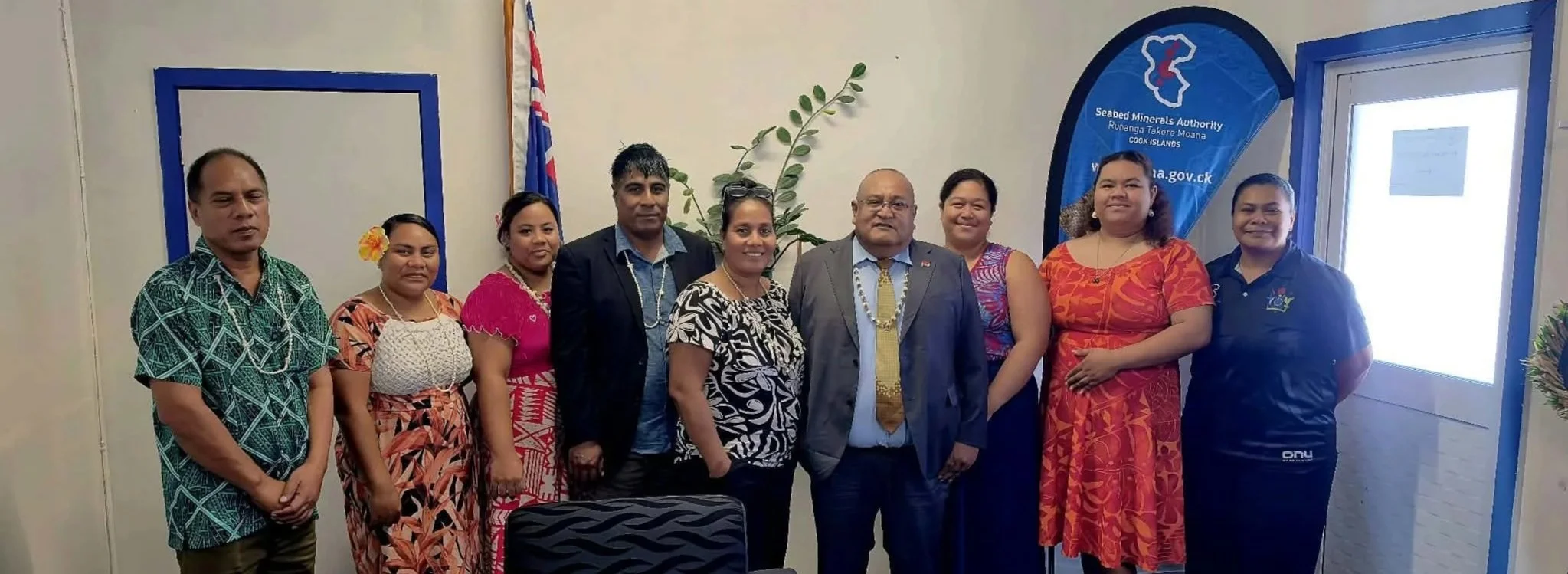
The Seabed Minerals Authority (SBMA) welcomed the Honourable Ribanataake Tiwau, Minister for Fisheries and Ocean Resources of the Republic of Kiribati, and his delegation to the Cook Islands for a study tour focused on seabed minerals governance, regulation, institutional development and knowledge exchange.
Twenty-three Cook Islanders have returned from China with new knowledge and perspectives on deep-sea resource management after a 10-day training programme designed to strengthen local knowledge and capacity in this area.
The China–Cook Islands Training Programme on Deep-Sea Resource Management took place in Hangzhou and Changsha from 24 August to 2 September 2026.
The programme brought together Cook Islanders from different backgrounds, including government officials, professionals, and students from local colleges and universities in New Zealand. Participants also represented communities from both the Northern and Southern Group islands.
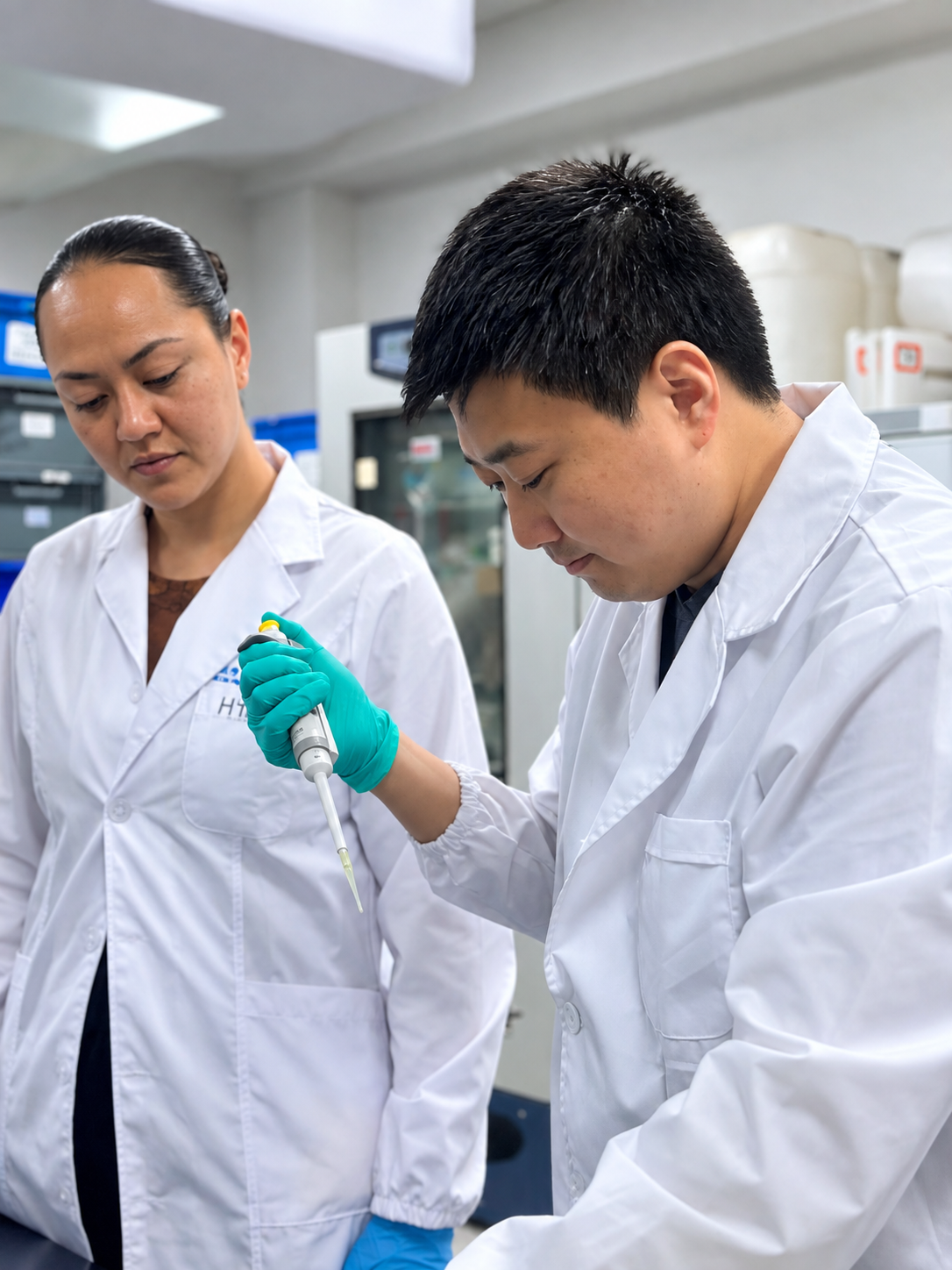
The Seabed Minerals Authority (SBMA) has contributed to a joint deep-sea biodiversity research project with the Second Institute of Oceanography (SIO), supporting work to strengthen scientific knowledge of deep-sea habitats and biodiversity data.
SBMA participated in the Synthesis and Analysis of Biodiversity Data in Deep-Sea Habitats of the Northwest Pacific project, known as SADiNP, a collaboration with the Second Institute of Oceanography.
The Government of the Cook Islands formally welcomed NOAA Ship Okeanos Explorer to Rarotonga following the completion of the 2026 Cook Islands ROV Exploration, which brought new scientific information, imagery, maps, and observations from deep waters within the Cook Islands Exclusive Economic Zone.
The Seabed Minerals Authority recognises the public interest in recent comments about the proposed AOMC–Odyssey transaction and what it may mean for seabed minerals exploration in the Cook Islands.
The questions raised highlight why the Cook Islands has established a regulatory framework to oversee seabed minerals activities and protect the interests of Cook Islanders.
The Cook Islands has long recognised the potential of its deep-sea resources. Our journey into seabed minerals began with early scientific research in the 1960s and 70s.
Learn more about our history here.